This week is a check-in. No book discussion yet. No weekend message to unpack. We're taking a week to pause and get honest about where we are before we start something new together.
Starting next week, we'll begin reading The PAPA Prayer by Larry Crabb as a church. It's a book about experiencing God on a more personal level through prayer. But before we get into that, it's worth knowing where we're starting from. Tonight is about getting a baseline. How has your year been? Where are you with God? What do you want this summer to look like?
Friendly reminder that you do not need to cover all the questions and we encourage you to select and discuss as you see fit. If you need a refresher, feel free to reference the Dinner Group Question Guidelines.
Summer Kickoff
Summer is here. Beach trips, cookouts, baseball, hiking, a vacation you've been planning. Whatever your thing is.
What's one thing you're looking forward to this summer?
Looking Back
We're about halfway through the year. A lot has happened. Take a second to think about where you were in January and where you are now.
If you could go back to the beginning of this year and give yourself one piece of advice, what would it be?
Spiritual Check-In
We don't get asked this question enough. And when we do, it's easy to give the safe answer. Let's try to be honest.
As you look back on this year, how would you describe your relationship with God right now?
Prayer History
Most of us have had seasons where connecting with God felt more natural than others. Maybe it was a specific time in your life, a habit, or a community you were part of.
Have you ever had a season where prayer felt easy or natural? What made it that way?
Prayer Now
Over the next five weeks, we're going to be reading a book together called The PAPA Prayer. It's all about experiencing God on a more personal level through prayer. Before we start, it's worth knowing where we're starting from.
Where does prayer fall for you right now: something you look forward to, something you struggle with, or somewhere in between?
Looking Ahead
This book addresses a lot of the stuff most of us feel but don't say out loud about prayer. As we go into it together, there are no wrong answers here.
As we start reading this book together, what are you most curious about?
Prayer Focus
Honesty. Ask God to help your group be real with each other tonight, not performative.
The summer ahead. Ask God to meet each person where they are and move them toward where He wants them to be.
Openness. Ask God to use this book however He wants to, even if it looks different than expected.
Each other. This is a good week to simply ask, "How can I pray for you this summer?"
Week 1 · June 1, 2026
Why Prayer Feels Broken
For Leaders · Central Theme
A note for leaders: This section highlights what stood out to us as we worked through the chapters. We thought it might be helpful to call out what we saw, but it may hit differently for your group. As always, go with whatever is engaging and leading to growth. Let this be a tool if it serves you and your group, not a script you have to follow.
Most of us were never taught that prayer could be more than making requests. The author gives us language for the frustration we’ve all felt, then introduces a different way: relating to God before requesting from God. PAPA is not a formula. It’s an invitation into a relationship most of us didn’t know was available.
Key takeaways
Prayer can feel boring, confusing, and one-sided, and that’s not a personal failure. Most of us were taught to pray as a way to ask God for things. When those prayers don’t get answered, we don’t know what to do.
Relating to God should come before requesting from God. The whole PAPA framework rests on this order. Knowing God first, then asking.
The five kinds of prayer reveal where we actually live. Relational, worship, thanksgiving, intercession, petition. When we skip relational and jump to petition, even our good prayers get shaped by self-centeredness.
Reading Recap
This week we started reading The Papa Prayer by Larry Crabb. The first few chapters are really about naming something most of us have felt but don't say out loud: prayer can feel boring, confusing, and one-sided. Crabb is honest about his own experience with that. For most of his life, prayer was mostly about asking God for things and hoping they'd show up. When they did, he said thanks. When they didn't, he just moved on. He didn't know there was another way.
The big idea in this section is that relating to God should come before requesting from God. Crabb introduces a framework called PAPA: Present yourself to God, Attend to how you're thinking of God, Purge yourself of what's blocking the relationship, and Approach God as the most important thing in your life. He's clear that it's not a formula or a technique. It's a way to relate. He also lays out five kinds of prayer, relational, worship, thanksgiving, intercession, and petition, and makes the case that when we skip straight to petition, even our good prayers get shaped by self-centeredness. The invitation this week is simple: what if knowing God came before asking God for things?
Friendly reminder that you do not need to cover all the questions and we encourage you to select and discuss as you see fit. If you need a refresher, feel free to reference the Dinner Group Question Guidelines.
Childhood Wants
We all had that one thing as a kid. The toy, the trip, the pet. You asked for it every chance you got.
What's something you wanted so badly as a kid that you asked for over and over again?
What Prayer Sounds Like
This week's reading makes a pretty direct claim: most of us default to asking God for things. Not because we're selfish, but because that's what we were taught prayer is.
Think about the last few times you prayed. What did most of those prayers sound like?
Five Kinds of Prayer
The book lays out five kinds of prayer: relational, worship, thanksgiving, intercession, and petition. Most of us lean heavily toward one or two without realizing it.
Which one do you spend the most time in right now?
When Prayer Goes Quiet
One of the most honest parts of this section is how Crabb talks about unanswered prayer. Not with a neat answer, but with the admission that sometimes it just leaves you stuck.
When was the last time an unanswered prayer left you not knowing what to say to God?
The PAPA Framework
Over the next few weeks we'll walk through each part of the PAPA framework: Present, Attend, Purge, Approach. For now, just sit with the words.
Which of those four words, right now, feels the most unfamiliar? Challenging? Or hopeful?
Looking Ahead
This study is five weeks. That's enough time for something to actually shift if you let it.
After reading these chapters, what's one thing about your prayer life you'd want to be different by the end of this study? What would help you get there?
Prayer Focus
For honesty as your group starts this study together. Ask God to help each person be real about where they are with prayer right now, without pressure to have it figured out.
For openness to a new way of thinking about prayer. Ask God to loosen any habits or assumptions that keep you stuck in request mode.
For each other's next steps. Some people in the room named something they want to be different by the end of this study. Pray for that specifically.
For knowing God. Pray that God would make Himself known over these five weeks. Not as a concept or a theology, but as a Papa who is both strong and close.
Next Week Preview
Next week we're reading chapters 5 through 10. Crabb asks a question that's hard to dodge: what if the way most of us pray actually keeps us from getting closer to God? He introduces a metaphor you won't forget, and he starts to unpack what relational prayer actually looks like in real life, not just as an idea. He also walks through his own journey of learning to pray differently, and roots the whole framework in John 15. This is the most chapters we'll read in a single week, but several of them are short. Don't let the number scare you.
Chapters: The Prayer of a Spoiled Child • Relational Prayer Is About God and Me • This Is No Gimmick—It's a Way to Relate • Stay at Home with Christ • How I'm Learning to Pray • A New Paradigm for Prayer
Week 2 · June 8, 2026
A Different Way to Pray
For Leaders · Central Theme
A note for leaders: This section highlights what stood out to us as we worked through the chapters. We thought it might be helpful to call out what we saw, but it may hit differently for your group. As always, go with whatever is engaging and leading to growth. Let this be a tool if it serves you and your group, not a script you have to follow.
Most of us were never taught that prayer could be relational. We’ve only ever known prayer as making requests. The author introduces a different way: relating to God before requesting from God. The whole PAPA framework rests on John 15:7. Remain in Him first. Then request.
Key takeaways
We pray the way we were taught to pray. For most of us, prayer has always meant making requests. That’s not a character flaw. It’s what was modeled for us. The invitation in these chapters is to see that there’s more available than we knew.
Even good things can quietly take God’s place. When a blessing finally arrives, the marriage that improves, the kid who comes home, the job that comes through, we can start loving the gift more than the Giver without noticing. “Remain in me” is what keeps us oriented.
There are two ways to approach prayer, and they shape everything. Praying to get things from God vs. praying to get to know God. Same words on the outside. Different relationship underneath. The PAPA prayer is an invitation into the second one.
Reading Recap
This week we read chapters 5 through 10, which is the heart of part one. The big move Crabb makes in this section is to invite us into a different way of praying. Most of us picked up prayer as a way to bring requests to God. That's not a flaw. It's what was modeled for us. But these chapters open up something we may not have known was available. Crabb calls it relational prayer. Wanting to be with God before wanting things from God. He anchors the whole idea in John 15:7, where Jesus says, "If you remain in me and my words remain in you, ask whatever you wish, and it will be given you." Relating comes first. Requesting comes second.
We were also reminded of something harder. Even good things in our lives, the very things we've prayed for, can quietly take God's place. The marriage that gets better. The kid who comes home. The job that finally comes through. Crabb walks through a friend's story in chapter 8 and gently warns that blessings can start to feel like the point. Chapter 10 closes the section by putting two ways of praying side by side. One is centered on getting things from God. The other is centered on getting to know God Himself. The whole study is an invitation into the second one.
Friendly reminder that you do not need to cover all the questions and we encourage you to select and discuss as you see fit. If you need a refresher, feel free to reference the Dinner Group Question Guidelines.
Late Learners
Some of the best things we know how to do, we didn't learn until later in life. Cooking, budgeting, having a hard conversation. Things we now wish we'd been shown earlier.
What's a skill or hobby you picked up as an adult that you wish someone had taught you when you were younger?
What We Picked Up
Nobody handed most of us a manual on prayer. We just absorbed what we saw modeled by parents, leaders, or whoever was around when we were figuring it out. Most of us picked up that prayer is about making requests.
When was the last time you experienced prayer as something other than that?
Being With, Not Getting From
We all know what it feels like to be wanted for what we can offer versus wanted for who we are. Those are two very different relationships. Relational prayer is about wanting to be with God before wanting things from God.
Describe a relationship in your life where being with the person matters more to you than what you get from them.
When Good Things Get Big
One of the harder turns in this week's reading is the warning that good things in our lives, even ones we've prayed for, can quietly take God's place. Not because they're bad, but because they feel so good.
Name a good thing in your life right now that has the potential to do that.
Two Paradigms
Chapter 10 lays it out side by side. One way of praying is about getting what we need from God. The other is about getting to know God Himself. Same words sometimes, but a completely different relationship underneath.
Which one has shaped how you've prayed most of your life?
A Small Shift
This study is an invitation to try something different. Not a total overhaul, just a step. Naming what that step could look like out loud makes it more likely to actually happen.
What's one small shift you could make this week in how you pray that would move you from making requests to relating with God?
Prayer Focus
Pray for a new way. Ask God to gently loosen the grip of prayer as only a list of requests, and to introduce each person to what it means to simply be with Him.
Pray for honesty. Ask Him to surface the good things in our lives that might be taking His place, quietly and without shame, so each person can name what's actually going on in their heart.
Pray for small shifts. Ask God to make the steps each person named tonight stick this week, and to meet them in it.
Pray for desire. Ask God to grow a deeper hunger for Him over these next few weeks, not as a concept, but as Papa, someone they actually know.
Next Week Preview
Next week we're reading chapters 11 through 15. This is where we stop talking about the PAPA prayer and actually start learning to pray it. Five chapters. One lays it out. Two are on the first P. Two are on the first A. Crabb introduces a metaphor called the "red dot" that will probably stick with you longer than you'd expect. We'll also be invited to take an honest look at how we picture God when we pray, because who we think we're talking to changes everything.
Chapters: It's Time to Learn the PAPA Prayer • Stop Trying to Be Who You Think You Should Be • Enter Your Red Dot—Don't Just Describe It • Who Do You Think You're Talking To? • Who Has God Shown Himself to Be?
Week 3 · June 15, 2026
Show Up and Look Up
For Leaders · Central Theme
A note for leaders: This section highlights what stood out to us as we worked through the chapters. We thought it might be helpful to call out what we saw, but it may hit differently for your group. As always, go with whatever is engaging and leading to growth. Let this be a tool if it serves you and your group, not a script you have to follow.
Relating to God before requesting from Him starts with two moves: showing up honestly (Present) and rethinking who we picture when we pray (Attend). These are the first two letters of PAPA, and the author argues you can’t skip them and still call it relational prayer.
Key takeaways
Find your “red dot” before you try to go anywhere. Like the mall directory, we can’t move toward God if we won’t first stand still and notice where we actually are. That means stopping the pressure to perform as the Christian we think we should be and instead presenting ourselves to God as we are, scared, mad, numb, hopeful, all of it. Matthew 11:28-30 and Genesis 3.
Most of us are praying to a God we made up. The author lists ten common false images. Who we think we’re talking to changes how we talk. Revelation 1 shows us the actual risen Christ, terrifying and tender, transcendent and immanent. That’s who we’re praying to.
Reading Recap
This week we read chapters 11 through 15. The book stops explaining prayer and starts teaching us how to pray it. We unpacked the first two letters of PAPA. Present yourself to God. Attend to how you are thinking of God.
We were also introduced to the “red dot.” Think of the blue dot in your maps app that tells you exactly where you are. We can’t move toward God until we stop and notice where we actually are. That means dropping the pressure to be the version of ourselves we think God wants, and showing up real instead. In Matthew 11:28-30, Jesus invites the weary and burdened to come as they are. In Genesis 3, God finds Adam hiding behind a tree and calls out, “Where are you?” He already knew. He just wanted Adam to come out.
The second half of the reading turns to who we picture when we pray. We were given ten common false images of God that quietly shape our prayers. Then we looked at Revelation 1, where John sees the risen Christ. Eyes like fire, feet like bronze, face like the sun. John falls down as though dead. Then Christ puts His hand on him and says, “Do not be afraid.” That’s who we’re talking to when we pray. Fully above us, fully with us.
Friendly reminder that you do not need to cover all the questions and we encourage you to select and discuss as you see fit. If you need a refresher, feel free to reference the Dinner Group Question Guidelines.
Mall Day
The author opens this section with the “You Are Here” red dot in a shopping mall directory. It’s the perfect metaphor, even if malls themselves have mostly faded out.
Malls are a thing of the past, but let’s reflect back on our local malls. You’re in a time machine heading back to the heyday of malls. What stores are you visiting? Where are you grabbing a bite to eat in the food court? And what’s the sweet treat you’re taking home with you?
The first letter of PAPA is Present. This is the step we tend to skip. We come to God with what we think we should be feeling instead of what’s actually true. Present means dropping the act. Telling God exactly where you are: mad, scared, numb, hopeful, tired, distracted, all of it. The author calls this finding your “red dot.” Like the directory at a mall, you can’t move toward God until you stop and notice where you actually are. Adam tried to hide behind a tree in Eden. God called out, “Where are you?” He already knew. He just wanted Adam to come out from hiding. That invitation is still open.
Honest Inventory
Life moves fast. It’s easy to go a whole week without ever really checking in with yourself.
When was the last time you stopped long enough to honestly notice what was going on inside you?
Behind the Tree
Adam hid behind a tree because he was scared of what God would see. We still do a version of that when we pray.
Think about a time you tried to hide something from God in your prayers. What were you hiding?
The first A in PAPA is Attend. Who we picture when we pray changes how we pray. Whether we realize it or not, the God we talk to is often built out of pieces. Pieces of our dad, pieces of our childhood church, pieces of whatever culture shaped us. The author lists ten common false images of God that show up when people pray. Then he points us to Revelation 1, where John sees the actual risen Christ. Eyes like fire, feet like bronze, face like the sun. John falls down as though dead. Then Christ places His hand on him and says, “Do not be afraid.” That’s who we’re praying to. Both fully transcendent and fully near.
Smiling Buddy. Always cheerful, never serious, just wants you to be happy.
Backroom Watchmaker. Wound up the universe, stepped away, doesn’t really get involved.
Preoccupied King. Busy with bigger things, your stuff is too small to bother Him with.
Stern Patriarch. Disappointed, demanding, hard to please.
Kindly Grandfather. Soft and indulgent, lets you do what you want.
Impersonal Force. A vague spiritual energy, not really a Person.
Cruel Tyrant. Out to catch you, ready to punish.
Moral Crusader. Mostly interested in your behavior, scoring rights and wrongs.
Romantic Lover. All feelings and intimacy, no holiness, no weight.
The Picture in Your Head
Everyone has a picture of God that shows up when they pray, even if they’ve never named it. Naming it is the first step to letting Scripture correct it.
Which picture of God shows up in your head when you pray?
When the Picture Changed
We don’t fully become ourselves until we know God as He really is. The clearest changes in us often start with a clearer view of Him.
Have you ever been in a season where knowing God more clearly actually changed how you saw yourself? What shifted?
Stop Performing
This week is an invitation to drop the performance and just show up. That’s harder to do alone than with a group walking alongside you.
Where in your life right now do you most need to stop performing and just stand still with God, and what would help you actually do that this week?
Prayer Focus
Pray for honesty. Ask God to help each person drop the version of themselves they think they should bring to Him, and instead show up as they actually are this week.
Pray for stillness. Ask Him to slow each person down enough to notice their “red dot,” what’s really going on inside, before rushing to the next thing.
Pray for a clearer picture. Ask God to gently correct any false images of Him that have been quietly shaping how we pray, and to replace them with who He has actually shown Himself to be.
Pray for nearness. Ask Him to make Revelation 1 real to each person, the God who is fully above us and fully with us, the one who places His hand on us and says, “Do not be afraid.”
Next Week Preview
Next week we’re reading chapters 16 through 20. This is where we get the second P and the second A in PAPA. Purge and Approach. The author makes a hard but freeing case that something inside us keeps blocking the connection with God we actually want, and that naming it is the only way through. He’ll also draw a line between what he calls “first things” and “second things,” and that line will probably reframe a few prayers you’ve been praying for a while. Bring your highlighter.
Chapters: Who Do You Turn to When You’re Scared? • Abandon Yourself to Holiness • You Will Hear God’s Voice • Become Someone God Can Really Enjoy • The PAPA Prayer: It’s a Way of Life
Serve Together
1Day Hoboken is Back
Saturday, July 18th
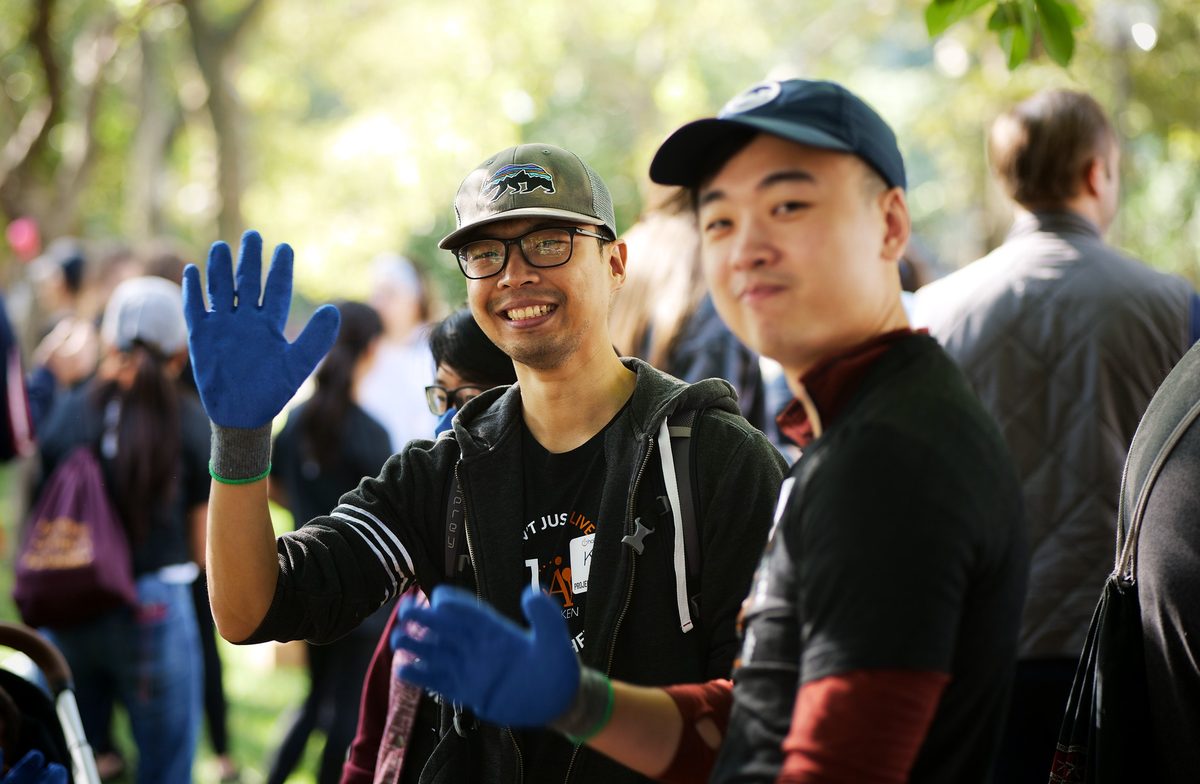
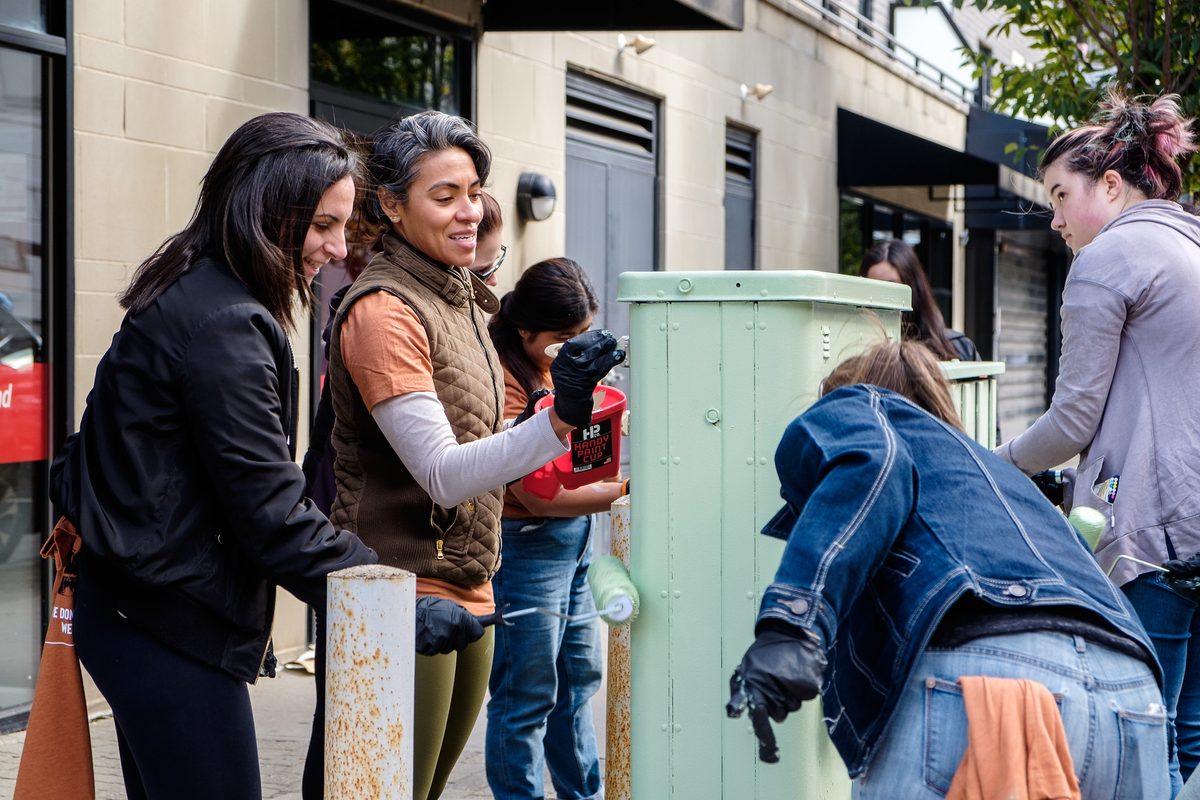
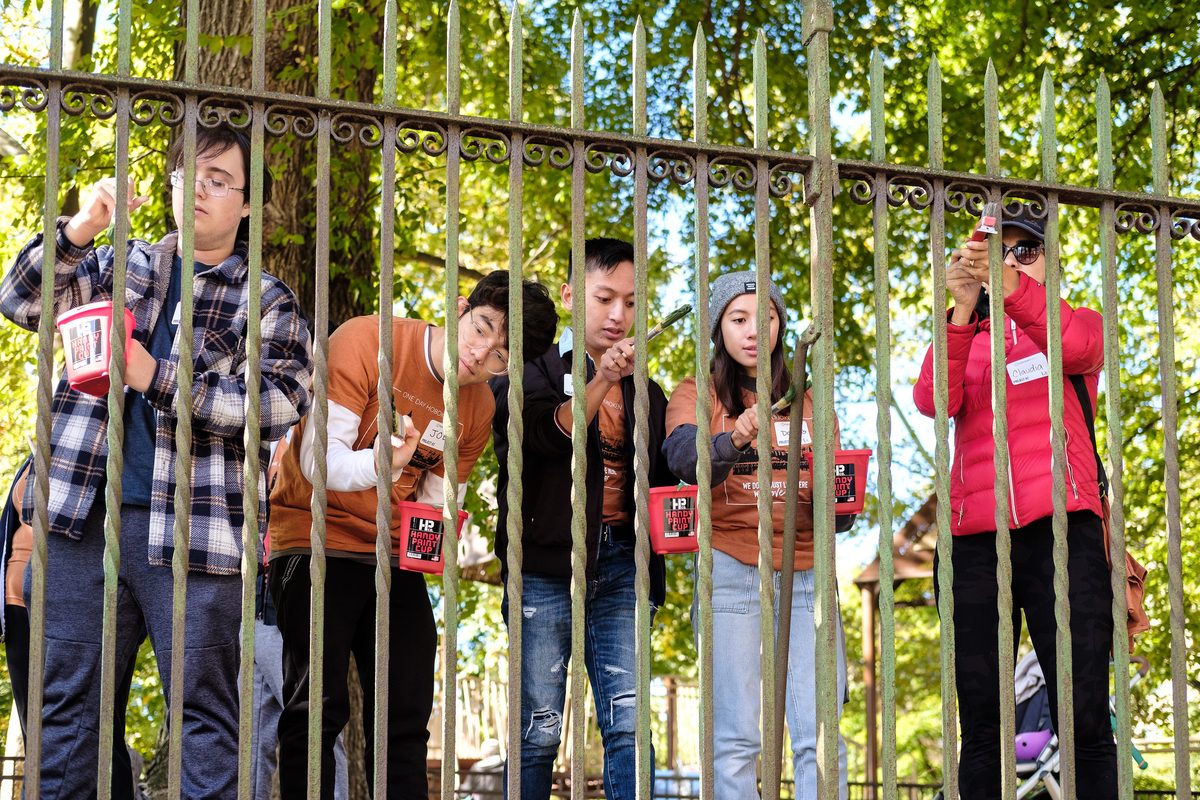
There’s a whole city out there to love, and one Saturday set aside to do it. On Saturday, July 18th, the whole church spends a morning serving Hoboken, more than 30 projects in all. If you’ve been looking for a simple way to make a difference here, this is a good place to start. Sign up with your group. We’d love to have you there.
“On Saturday, July 18th, the whole church takes a morning to serve Hoboken, more than 30 projects across the city. If you’ve been wanting a simple way to make a difference here, this is a good one. I’d love for us to sign up and do it together.”
Week 4
Purge and Approach
For Leaders · Central Theme
A note for leaders: This section highlights what stood out to us as we worked through the chapters. We thought it might be helpful to call out what we saw, but it may hit differently for your group. As always, go with whatever is engaging and leading to growth. Let this be a tool if it serves you and your group, not a script you have to follow.
The biggest things blocking us from God are not the big sins we know about, but the relational sins we don’t see. PAPA prayer purges us of that hidden self-protection so we can approach God empty, ready to want Him as our First Thing.
Key takeaways
Relational sin is the real blockage. Most of what’s wrong with us shows up in how we relate, and we’re blind to it. We protect ourselves in subtle, justified ways. PAPA prayer is how God opens our eyes to what we can’t see on our own.
Holiness is abandoning ourselves to God’s way of relating. Not trying harder to be good. It’s coming to Him asking two questions: where am I wrong in how I relate, and what do I most want in this relationship. It’s loving people because we’ve first been loved by Him.
Approaching God means coming empty. We can’t hear God’s voice while our hearts are stuffed with “second things” (good kids, a sensitive spouse, success, comfort). The fourth P is wanting God Himself more than anything He could give us. First Things versus Second Things.
Reading Recap
This week we worked through the back half of the PAPA framework. Purge and Approach. The author made a hard claim. The biggest thing blocking us from God is usually not the obvious sin we already know about. It’s the relational sin we don’t see. The subtle and justified ways we protect ourselves from looking bad or feeling unwanted.
Through the story of a husband who couldn’t see how he was dismissing his wife, we were reminded that we are all blind to our own patterns. We need help from God, and sometimes from each other, to see. Then we moved to the fourth letter. Approach God as the First Thing. The author argued that we can’t hear God’s voice while our hearts are stuffed with second things. Second things aren’t bad. Healthy kids, financial peace, a meaningful job. Those are real goods. But they belong in second place.
Hebrews 10:19-22 says we can now walk right up to God without hesitation, because Jesus has cleared the way. That’s what approaching is. Coming empty, wanting Him, trusting He’s enough.
Friendly reminder that you do not need to cover all the questions and we encourage you to select and discuss as you see fit. If you need a refresher, feel free to reference the Dinner Group Question Guidelines.
Small Things, Big Reactions
The author opens this week by saying relational sin often hides in the small daily moments. Before we get into that, let’s start with a small daily moment of our own.
What’s something small that throws off your whole day if it goes wrong?
This week’s reading makes a hard claim. The biggest thing blocking us from God is not the obvious sin we already know about. It’s the relational sin we don’t see. The book describes a couple where the husband, a good guy in a solid marriage, kept dismissing his wife in conversation and couldn’t see it until someone pointed it out. The author says we are all that husband. We need help to see.
He calls it “relational sin.” The definition is sharp. Anything we do for the primary purpose of getting something for ourselves. Even good things. Especially good things.
Self-Protection
What’s most wrong with us tends to show up in how we relate. And we are usually blind to it. Not because we’re bad people. Because self-protection is sneaky. It looks like being prepared, being polite, being humble.
Describe a small, ordinary way you protect yourself from looking bad in front of people you love.
Underneath the Dismissal
The author says relational sin starts with fear. Way under the surface we are still that kid wondering if anyone sees us, if anyone will be there, if we matter. When someone close dismisses us, that old fear gets touched. This question isn’t about who was right or wrong. It’s about what got stirred up.
Think about the last time you felt dismissed or unseen by someone close to you. What did that stir up in you?
The fourth move in PAPA is Approach. The author says we can’t hear God’s voice while our hearts are stuffed with second things. Second things are not bad things. Healthy kids, a strong marriage, a job that matters, financial peace. Those are real goods. But when they sit in the center of our hearts, they crowd out the only thing that can actually fill us.
The author tells a parable where God offers a man everything on his prayer list, on one condition. He’ll never hear God’s voice again. The man tears up the list. Those were second things. The fourth P is wanting God Himself more than anything He could give us.
Second Things in First Place
Naming a second thing is hard because second things are usually good. They feel necessary. The author’s point isn’t that we stop loving them. It’s that they belong in second place, not first.
Describe a “second thing” in your life right now that is sitting close to first place. A relationship, a goal, a comfort, a fear.
God Without the Circumstances
The promise the author keeps coming back to is that we can know God whether or not He fixes the thing we’re asking Him to fix. The closeness is the gift. The circumstance is second.
Name a time you felt close to God when nothing in your circumstances had changed.
A Step This Week
The two purging questions and the two approaching questions can leave us exposed. This last one is where we get practical.
What’s one small step this week to purge a “second thing” out of first place and approach God as your First Thing instead? Who in this group can check in with you on it?
Prayer Focus
Pray for sight. Ask God to open our eyes to the relational sin we can’t see in ourselves. The patterns we’ve been blind to for years.
Pray for honesty. Ask God to give us the courage to sit with the two questions. Where am I wrong in how I relate, and what do I most want in this relationship.
Pray for emptiness. Ask God to help us come to Him empty, without our list of second things, trusting that He Himself is what we actually want.
Pray for nearness. Ask God to be felt as close this week. Not because circumstances changed, but because He’s here.
Next Week Preview
Next week wraps up our study. We’ll read the Four-Day Plan, the Special Words sections, and the Final Word. The author moves PAPA from a framework into a way of life. Something woven into ordinary days. We’ll talk about what it looks like to keep this going after the study ends, and how PAPA can shape the way we pray for years, not just five weeks.
Serve Together
1Day Hoboken is Back
Saturday, July 18th
There’s a whole city out there to love, and one Saturday set aside to do it. On Saturday, July 18th, the whole church spends a morning serving Hoboken, more than 30 projects in all. If you’ve been looking for a simple way to make a difference here, this is a good place to start. Sign up with your group. We’d love to have you there.
“On Saturday, July 18th, the whole church takes a morning to serve Hoboken, more than 30 projects across the city. If you’ve been wanting a simple way to make a difference here, this is a good one. I’d love for us to sign up and do it together.”
Week 5
Living the PAPA Prayer
For Leaders
Choose your path this week
Week 5 has three discussion guide options. Pick the one that fits your group best. If your group completed the Four-Day Plan together, start there. If not, the men’s and women’s chapters work great on their own. You only need to pick one.
Day 1: Present yourself to God. Radical honesty. Bring whatever is actually happening inside you. Fear, anger, resentment, gratitude, confusion. Put it in front of God without spinning it. Anchor: Psalm 73 (MSG).
Day 2: Attend to how you are thinking of God. Examine your functional picture of God. Not the theological one you’d give in a Bible study, but the one that actually shapes how you pray and what you expect. Anchor: Isaiah 6:1-4 (NIV).
Day 3: Purge yourself of what blocks the relationship. See the self-obsession underneath the behavior. The hidden ways you protect yourself from vulnerability and put your own comfort, reputation, or approval ahead of God and others. Anchor: Psalm 139:23-24 (MSG).
Day 4: Approach God as your First Thing. Come to God not as a negotiator, not as a petitioner with a list, but as a child who simply wants to be with their Father. Stop bargaining. Stop demanding. Just come. Anchor: Hosea 14:4-9 (MSG).
Message Review
We spent four weeks learning the PAPA prayer. We looked at why prayer so often feels broken, what it means to pray relationally instead of transactionally, and how each letter of the framework moves us closer to God. We explored what it looks like to present ourselves honestly, to attend to who God actually is, to purge the self-obsession we can’t always see, and to approach God as our First Thing. That’s a lot to take in.
This week we took it a step further. The Four-Day Plan gave us a simple, structured way to practice each movement of PAPA prayer over four days. Each day had a Bible passage to read in the morning, a reflection question to carry through the day, and a prompt to write out a prayer in the evening. The author designed it to be done with someone else, because tracking the experience together is part of what makes it real. The goal was never to get it right. It was to begin.
Did your group complete the Four-Day Plan together?
If most of your group worked through the plan before tonight, use these questions to reflect on the experience together. If not, no worries. The discussion questions below are built around the same content and work just as well.
What went well? Was there a day or a moment where the plan clicked for you?
What was hard? Where did you get stuck, want to skip, or find yourself going through the motions?
Where did you experience God? Did anything surprise you about what happened when you actually sat down and prayed?
What would you do differently? If you ran through the plan again, what would you change about how you approached it?
Friendly reminder that you do not need to cover all the questions and we encourage you to select and discuss as you see fit. If you need a refresher, feel free to reference the Dinner Group Question Guidelines.
Icebreaker
Most of us know the difference between understanding something and actually being able to do it. Reading about it and doing it are two very different things.
What’s something you learned to do by actually doing it, not by reading about it or watching someone else?
Polished Prayers
In Psalm 73, the psalmist is furious that the wicked seem to have it better. He nearly said it out loud but held back. He didn’t want to discourage others. So he took it to God instead, and that honesty is what led him somewhere real.
No doubt about it! God is good—good to good people, good to the good-hearted. But I nearly missed it, missed seeing his goodness. I was looking the other way, looking up to the people at the top, envying the wicked who have it made, who have nothing to worry about, not a care in the whole wide world.
Pretentious with arrogance, they wear the latest fashions in violence, pampered and overfed, decked out in silk bows of silliness. They jeer, flaunt their elevated position, and strut their stuff. They bully their way with words, and swagger in a walk of pomp and pretension. They think they own heaven and they boss the earth around.
And people actually listen to them—can you believe it? Like thirsty puppies, they lap up their words. What’s going on here? Is God out to lunch? Nobody seems to care. Billionaire bullies! They jeer at God. Is the High God aware of all this? Look at these people—having it made, piling up the money.
I’ve been keeping my nose clean, living a clean life, getting up every morning to an honest day’s work, and here I am, slapped around daily, punished every morning. If I’d have given in and talked like this, I would have been a traitor to your dear children. Still, when I tried to figure it out, all I got was a splitting headache.
What do we lose when we only bring our polished prayers to God?
Who God Actually Is
Day 2 of the plan asks us to examine our functional picture of God. Not the theological one we’d describe in a Bible study, but the one that actually shapes how we pray and what we expect. Isaiah 6 is one of the most arresting pictures of God in all of Scripture.
In the year that King Uzziah died, I saw the Lord, high and exalted, seated on a throne; and the train of his robe filled the temple. Above him were seraphim, each with six wings: With two wings they covered their faces, with two they covered their feet, and with two they were flying. And they were calling to one another: “Holy, holy, holy is the Lord Almighty; the whole earth is full of his glory.” At the sound of their voices the doorposts and thresholds shook and the temple was filled with smoke.
Isaiah 6:1-4 describes a God so holy that even the seraphim cover their faces. How does that image of God change what it means to approach Him?
Amazed by Grace
Day 3 is the hardest day. The author asks us to look past the behavior and see the self-obsession underneath it. He says most of us resist that kind of honesty because we’re afraid of what we’ll find. But his claim is the opposite of what we expect.
The author says the more clearly you see your sin, the more amazed by grace you become. Has that ever been true for you? What did that look like?
Everything You Need
Day 4 is the invitation to come to God not as a negotiator, not as a petitioner with a list, but as a child who simply wants to be with their Father. The author says stop bargaining. Stop demanding. Stop treating God as a means to something else. Just come.
Ephraim, what more have I to do with idols? I will answer him and care for him. I am like a flourishing juniper; your fruitfulness comes from me.
Hosea 14:8 says “everything you need is to be found in me.” What would it look like to actually live as if that were true?
Application
This is the last week of the study. The author’s hope was never that you’d finish the book and move on. He wanted the PAPA prayer to become a rhythm, a lifestyle, something you return to.
What will you take away and implement into your prayer life as a result of this study together?
Prayer Focus
Pray for honesty. Ask God to help us keep bringing our real selves to Him, not the polished version. The Four-Day Plan was a beginning, not a finish line.
Pray for rhythm. Ask God to make relational prayer a daily habit, not something we return to only when things get hard.
Pray for each other. This group spent five weeks on this together. Ask God to keep the conversations going beyond the study.
Pray for First Things. Ask God to keep loosening our grip on second things, and to grow in us a genuine hunger for Him above everything else.
What’s Next
This is the last week of the Papa Prayer study. Take a few minutes before your group wraps up tonight to celebrate. Five weeks is no small thing. You showed up, you read, you had honest conversations, and if you did the Four-Day Plan, you actually tried something new with God. That matters.
As a church this summer, we’re moving into the book of Acts together. It’s a natural next step. Acts is the story of what happens when people who have learned to pray and encounter God start moving. Watch for more details on how your group can engage with it.
Before you close out for the year, celebrate with your group. Acknowledge what happened here. We’ll have some tools coming to help you do that well.
Message Review
This chapter is for women, but the tension at the center of it is human. We all learn early that neediness is a liability. That the safest move is to cover it, manage it, or push past it. Women learn this in particular ways. Some get good at control. Some get good at retreat. Either way, the vulnerability stays hidden.
The book’s argument is that hiding your dependence doesn’t make you stronger. It just keeps you from the only relationship where that dependence is actually safe. God isn’t asking you to overcome your neediness before you come to Him. He’s asking you to come as you are, as a dependent child, to a Father whose love is the only thing big enough to hold it. That’s not a demeaning picture. According to this chapter, it’s the only move that leads anywhere real.
Friendly reminder that you do not need to cover all the questions and we encourage you to select and discuss as you see fit. If you need a refresher, feel free to reference the Dinner Group Question Guidelines.
Icebreaker
We’re wrapping up five weeks together. Let’s start with the people who have shaped us.
Who’s a woman in your life, past or present, who made you feel completely safe being yourself around her?
The Hardest Belief
Everything around us says strength means not needing anyone. Push through. Handle it. Don’t let them see you struggle. This chapter pushes back hard on that.
What makes it hard to believe that dependence could be a starting point rather than a problem?
Stop Fighting It
We spend a lot of energy managing vulnerability. Covering it with control, achievement, busyness, or retreat. God isn’t asking us to parade it to everyone. He’s asking us to stop hiding it from Him.
What would it mean to stop fighting your vulnerability and just bring it to God?
Permission
Someone always goes first. Someone names something real, and it opens a door for everyone else in the room.
When has someone else’s vulnerability given you permission to be vulnerable too? What did that open up?
Stand Up
In Revelation 1:17, John is face down, trembling before the glorified Christ. Jesus reaches down, touches him, and says two words: “Don’t be afraid. Stand up.”
When I saw him, I fell at his feet as though dead. Then he placed his right hand on me and said: “Do not be afraid. I am the First and the Last.”
Where in your life have you been shrinking? What would it look like to stand up there?
Application
Not when you’ve got it together. Not when you’ve figured out how to need less. Now, as you are.
What would it look like this week to come to God as the person you actually are?
Prayer Focus
Pray for courage. Ask God to give each woman in the room the courage to stop hiding her vulnerability and bring it to Him instead.
Pray for an honest picture. Ask God to show us where we’ve been managing our dependence rather than bringing it to Him. Where we’ve been covering instead of coming.
Pray for each other. Five weeks together is significant. Ask God to keep these women connected beyond tonight, and to make this group a safe place to keep being real.
Pray for rest. Ask God to meet every woman here in the place she’s most afraid to be seen. That she would know she is held, delighted in, and not alone.
What’s Next
This is the last week of the Papa Prayer study. Take a few minutes before your group wraps up tonight to celebrate with your group. Five weeks is no small thing. You showed up, you read, you had honest conversations. That matters.
As a church this summer, we’re moving into the book of Acts together. It’s a natural next step. Acts is the story of what happens when people who have learned to pray and encounter God start moving. Watch for more details on how your group can engage with it.
Before you close out for the year, celebrate with your group. Acknowledge what happened here. We’ll have some tools coming to help you do that well.
Message Review
Most men are carrying something they don’t talk about. Not failure exactly. More like a quiet, persistent sense that if people really knew what was going on inside, they’d think less of you. So you perform. You get competent. You stay busy. You find ways to be needed or respected, and you keep the gap between who you appear to be and who you actually are as small as possible.
This chapter says that strategy is exhausting and it doesn’t work. Not because vulnerability is the answer, but because God already knows what’s underneath, and He’s not asking you to clean it up before you come. He’s asking you to come as you are, scared, uncertain, longing for acceptance, to a Father who isn’t disappointed by what He finds. That’s not weakness. According to this chapter, it’s the only move that leads to anything real.
Friendly reminder that you do not need to cover all the questions and we encourage you to select and discuss as you see fit. If you need a refresher, feel free to reference the Dinner Group Question Guidelines.
Icebreaker
We’re wrapping up five weeks together. Let’s start here.
What’s something you worked really hard to get good at because you wanted someone’s approval?
The Imposter
Most men have two versions of themselves. The one people see, and the one they know. Competent on the outside. Unsure on the inside. The gap between those two can be exhausting to maintain.
When do you feel most like you’re just playing a role?
How We Hide
There are two moves men make when they don’t want anyone to see what’s really going on. One looks strong. One looks needy. Neither one actually works.
Think about the ways men cover vulnerability. Hiding behind something that looks masculine, or displaying neediness hoping someone will come through. Which one do you recognize more in yourself?
The Scoreboard
We all have a scoreboard we’re running in the background. Respect earned. Approval gained. Reputation maintained. Most of us didn’t choose it consciously. It just got built over time.
Where do you spend the most energy trying to earn respect or approval? What would it feel like to let that go?
One Priority
The author says God isn’t calling you to be a successful businessman, a respected leader, or even a good father first. He’s calling you to be His man. One priority. Everything else flows from that.
Where are you currently measuring yourself by a different standard?
Application
Not in some future version of yourself. This week, in the actual situations you’re walking into.
What’s one place this week where you could stop performing and just show up as you actually are?
Prayer Focus
Pray for honesty. Ask God to give each man in the room the courage to stop performing and bring what’s actually going on to Him instead.
Pray for acceptance. Ask God to meet the longing every man carries. That each person here would know they are seen, wanted, and not alone.
Pray for each other. Five weeks together is significant. Ask God to keep these men connected beyond tonight, and to make this group a place where the performance can come down.
Pray for one priority. Ask God to reorder what we’re measuring ourselves by. That His “well done” would matter more than anyone else’s approval.
What’s Next
This is the last week of the Papa Prayer study. Take a few minutes before your group wraps up tonight to celebrate with your group. Five weeks is no small thing. You showed up, you read, you had honest conversations. That matters.
As a church this summer, we’re moving into the book of Acts together. It’s a natural next step. Acts is the story of what happens when people who have learned to pray and encounter God start moving. Watch for more details on how your group can engage with it.
Before you close out for the year, celebrate with your group. Acknowledge what happened here. We’ll have some tools coming to help you do that well.
Serve Together
1Day Hoboken is Back
Saturday, July 18th
There’s a whole city out there to love, and one Saturday set aside to do it. On Saturday, July 18th, the whole church spends a morning serving Hoboken, more than 30 projects in all. If you’ve been looking for a simple way to make a difference here, this is a good place to start. Sign up with your group. We’d love to have you there.
“On Saturday, July 18th, the whole church takes a morning to serve Hoboken, more than 30 projects across the city. If you’ve been wanting a simple way to make a difference here, this is a good one. I’d love for us to sign up and do it together.”